Online Microschool for Grades 3–5 Enrolling Now
A small-group educational experience that nurtures academic, creative, & emotional growth.
Daily Structure


Morning Meeting & Growth Mindset
Core Academics: ELA, Math, Science/Social Studies
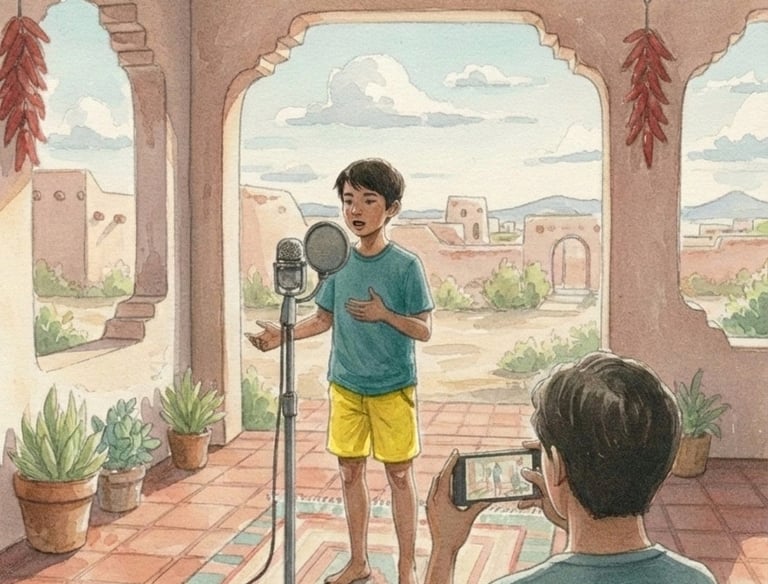
Mindfulness, Art, & Creative Expression
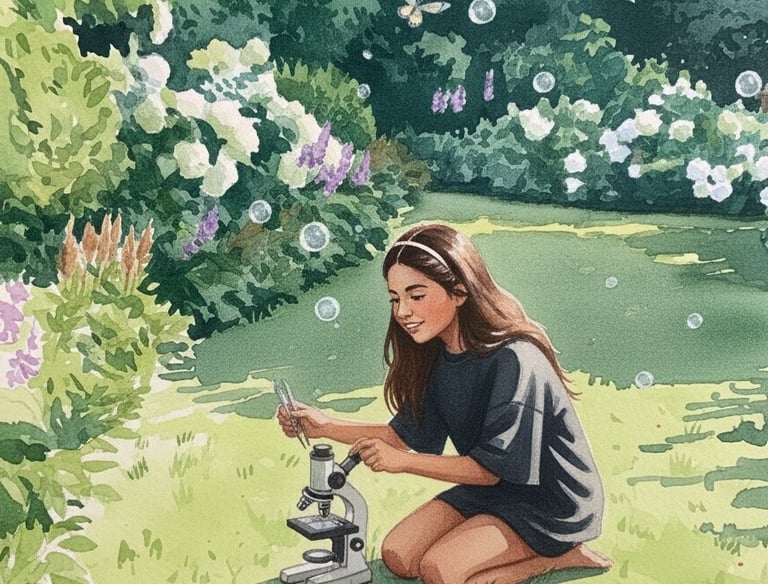
Project-Based Learning & Exploration

Why Choose Us?
1:8 teacher-student ratio
Flexible pacing & enrichment
Daily reflection & goal setting
Real-world projects
Enrolling today!
Accepting limited spots
Tuition & details available on our [Tuition Page]
Interested families can [Enroll Here]
Enrollment Information
For the 2026-2027 school year, we will expand to K-8
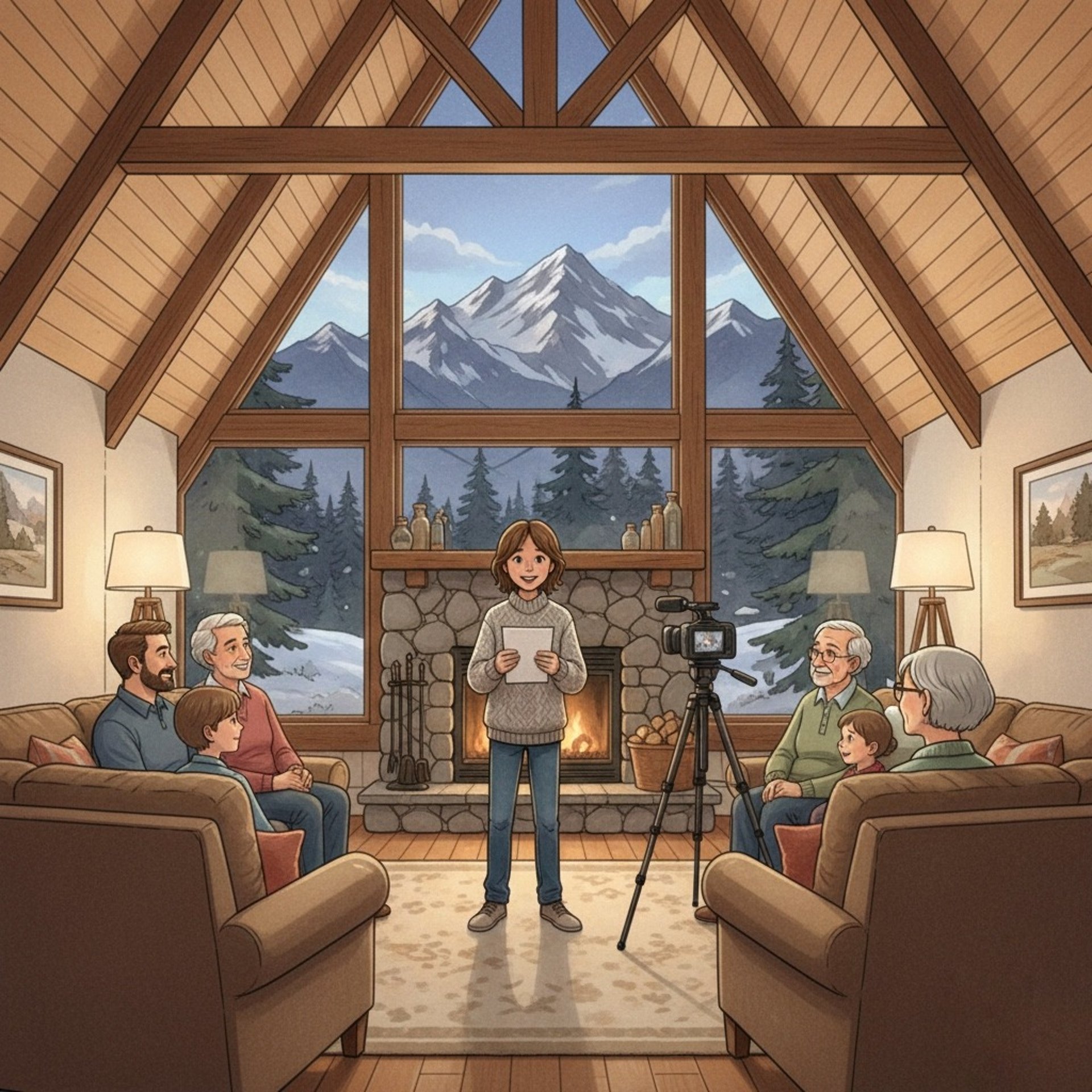
A Day at Big Domes Academy
Each day at Big Domes Academy is designed to support learning, connection, and growth. Students begin with a welcoming routine that helps them feel focused and ready to learn. Lessons take place in small groups, allowing teachers to meet students where they are and provide meaningful support.
By the end of the day, students leave feeling proud of their progress and excited to continue learning. Big Domes Academy is a place where curiosity is encouraged and every learner is supported.
Throughout the day, students engage in thoughtful discussions and creative projects that build strong academic skills and confidence. Social and emotional learning is integrated throughout the day, developing communication, self-awareness, and resilience.
Curriculum Overview
Our curriculum is built on strong academic standards & intentional design to support deep learning.
Standards-Aligned Instruction: Instruction is fully aligned with Common Core State Standards for English Language Arts & Math, and guided by national science & social studies frameworks.
Social-Emotional Learning Integration: Daily SEL routines support emotional awareness, goal-setting, collaboration, & self-regulation.
Project-Based Learning Approach: Students engage in meaningful, real-world projects that encourage inquiry, creativity, and problem-solving.
Curriculum Foundations
Project-Based Learning Examples
Weather Watchers & World Mappers
Our Story Museum
Create a Species
Amusement Park STEM Challenge
EcoSolutions Lab
World Explorer Guide
Our program is thoughtfully organized to balance structure, flexibility, & depth of learning.
Quarterly Learning Cycles: The year is divided into four quarters. Each quarter includes two four-week instructional units followed by a flexible buffer week used for reteaching, enrichment, and project work.
Formative Assessment and Feedback:
Weekly formative assessments guide instruction, helping educators adjust lessons and provide targeted support.Differentiated Instruction: Small-group learning allows instruction to be tailored to each student’s needs, ensuring appropriate challenge and meaningful growth across mixed-grade classrooms.
Summative Demonstrations of Learning:
At the end of each unit, students complete performance-based assessments or projects that demonstrate mastery of key skills and concepts.
Instructional Structure
Teaching Multiple Grade Levels Together
While PBL units are shared, grade-specific pathways ensure:
Grade-specific reading and writing standards
Developmentally appropriate math pathways
Personalized learning goals aligned to CCSS expectations
Multi-age learning is one of our greatest strengths. Students in Grades 3, 4, and 5 learn together, but instruction is differentiated at every step.
Skill Pathways by Grade Level
Intentional Scaffolding
Lessons include:
Entry points for developing learners
Stretch tasks for advanced learners
Choice-based pathways for autonomy and engagement
How does it work? By teaching a shared big idea or theme, but delivering:
Whole-group conceptual lessons (all grades together)
Grade-level breakout mini-lessons (10–15 minutes each)
Independent or small-group work based on grade-level standards
Example (Life Science Theme):
Whole group: What is an ecosystem?
Grade 3 breakout: food chains (3-LS4-3)
Grade 4 breakout: energy transfer between organisms
Grade 5 breakout: modeling matter/energy cycles (5-LS2-1)
Students collaborate on a shared project, but their research, writing, and models are aligned to their grade’s NGSS standards.
Phonics and Grammar Mini-Lessons
Reading fluency practice
Strategy-based guided reading
Complex text analysis using grade-level standards
Explicit vocabulary instruction
Focus on narrative, informational, and persuasive writing, with research-based literacy practices
Literature study includes folktales, historical fiction, poetry, and cultural storytelling.
Writing instruction connected to each PBL unit
Research-Based Literacy Practices
The CRA (Concrete–Representational–Abstract) approach
Standards-based problem solving
Mixed-ability math groups
Real-world application tasks tied to projects
Math Instruction
Getting Started with Big Domes Academy
We offer two low-pressure ways for families to experience Big Domes Academy before enrolling
Complimentary Tutoring Diagnostic (Grades K–8)
Microschool Sample Day (Grades 3–5)
Families curious about tutoring can begin with a free 30-minute diagnostic session. Your child will work directly with an educator in a short, targeted lesson designed to highlight strengths and identify next steps. After the session, parents receive a brief summary with learning recommendations.
This session is intended as an introduction and diagnostic, not ongoing tutoring.
Families considering our online microschool may request a Microschool Sample Day. Students join a live small-group lesson, participate in collaborative learning, and experience our structured, supportive classroom routines firsthand.
Sample days are offered by request, based on availability, and scheduled after an initial family conversation to ensure a strong fit for everyone.